From Prep to Profit — Why Stainless Steel Is Your Commercial Kitchen’s Best Friend (Not Mild Steel)
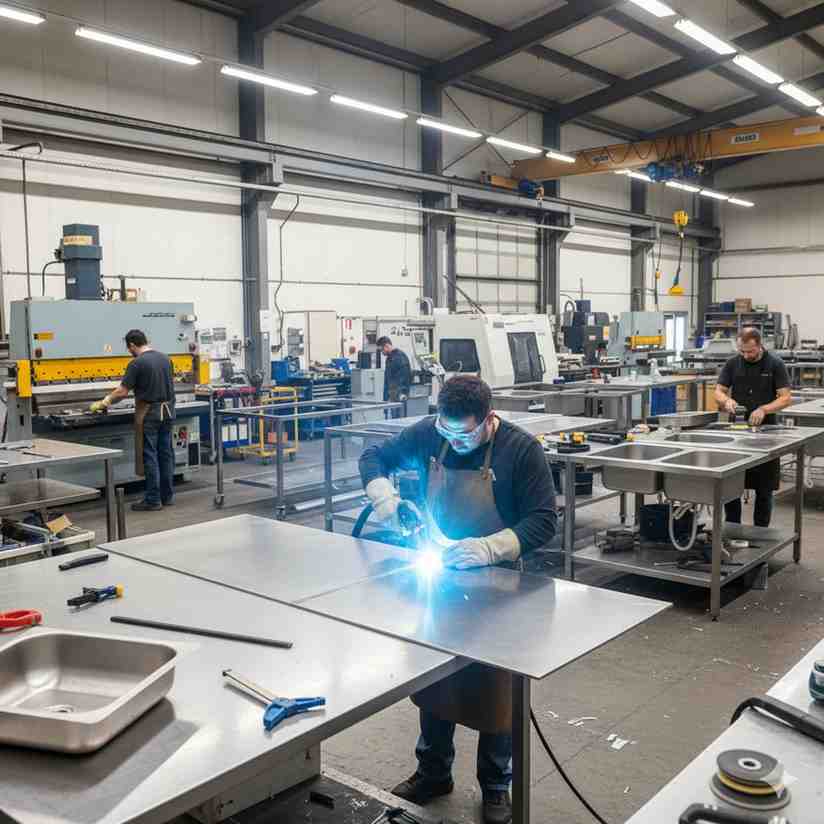
From Prep to Profit — Why Stainless Steel Beats Mild Steel in Commercial Kitchens
If you run a restaurant, café or commissary, every item in your kitchen is an investment. Choosing the right material for benches, shelves, sinks and cooking equipment is not just about how it looks — it affects safety, running costs, and how long the equipment will last. Here’s why stainless steel is the go-to choice for commercial kitchens, and why mild steel (even though cheaper up front) often costs more in the long run.
1. Hygiene and food safety — stainless steel wins every time
Stainless steel has a smooth, non-porous surface that resists bacteria, mould and food stains. It’s easy to clean and disinfect with standard kitchen detergents and sanitizers. Mild steel, by contrast, can corrode and develop pits where dirt and microbes hide — a clear food-safety hazard in any professional kitchen.
2. Corrosion resistance — fewer surprises, less downtime
Commercial kitchens are wet, humid and frequently exposed to acidic foods, salt, and cleaning chemicals. Stainless steel contains chromium (and in some grades nickel) that form a protective oxide layer — this prevents rusting under normal kitchen conditions. Mild steel will rust fairly quickly in the same environment, weakening equipment and forcing costly repairs or replacements.
3. Durability and structural strength
Stainless steel holds up to heavy use: constant wiping, sliding pots, hot pans, heavy chopping, and frequent loading/unloading. It resists warping and maintains structural integrity longer. Mild steel may be strong initially, but rust and wear shorten usable life — meaning more frequent replacement and interruptions to service.
4. Easier, safer cleaning and maintenance
Because stainless steel cleans so easily, staff spend less time scrubbing and more time cooking. Routine maintenance is simple: wipe with warm soapy water, sanitize, and occasionally polish. Mild steel needs more aggressive treatments to remove rust, and those treatments can damage surfaces and create downtime.
5. Appearance and customer perception
A gleaming stainless bench or display counter signals professionalism and cleanliness. In open-kitchen concepts or display counters (think of that irresistible bakery display), stainless steel improves the visual appeal and reassures customers about hygiene.
6. Lifecycle cost: cheaper over time
Stainless steel typically costs more up front than mild steel. But when you factor in replacement cycles, repair costs, lost service time, extra maintenance, and potential health-code fines or reputational damage from poor hygiene, stainless steel usually becomes the more economical choice over the lifetime of the equipment.
7. Heat resistance and fire safety
Stainless steel tolerates high temperatures and rapid temperature changes better than mild steel. It won’t ignite or deform easily, making it safer around stoves, ovens, and fryers.
8. Sustainability and recyclability
Stainless steel is highly recyclable — when equipment reaches end-of-life it can be recycled into new steel with relatively low environmental impact. Choosing materials with longer life and recyclability also helps kitchens reduce waste.
Quick practical tips when buying stainless steel equipment
- Choose the right grade: For most kitchens, 304 stainless (sometimes called 18/8) is the standard — good corrosion resistance and affordability. For high-salt or corrosive environments (coastal locations, heavy use of corrosive cleaners), consider 316 stainless.
- Watch the finish: A #4 brushed finish is common for worktops — it’s easy to clean and hides light scratches. Mirror finishes look good but show fingerprints and require more polishing.
- Inspect welds and joins: Smooth, hygienic welds (full weld with ground and polished joints) reduce places where dirt can collect.
- Think lifecycle, not just price: Ask suppliers for warranties and service plans; factor expected lifetime into the buying decision.
- Match gauges to use: Heavier gauge (thicker) steel is necessary for heavy-duty benches and structural frames; lighter gauges are fine for shelving and light duty fittings.
Maintenance checklist (simple, weekly to yearly)
- Daily: Wipe down surfaces with warm water and mild detergent; sanitize high-contact areas.
- Weekly: Inspect for stains, remove splashes of acid/salt promptly, re-polish if needed.
- Monthly: Check welds, hinges, and fasteners; tighten or repair loose fittings.
- Yearly: Professional inspection for heavy-use equipment; reapply protective finishes where necessary.
Short takeaway
Stainless steel is an investment in safety, uptime and reputation. While mild steel can look cheap at first glance, the ongoing costs of corrosion, cleaning, replacement and potential food-safety problems make it a false economy for most commercial kitchens. If you want equipment that works hard, looks professional, keeps customers safe, and lasts — stainless steel is the smarter choice.